
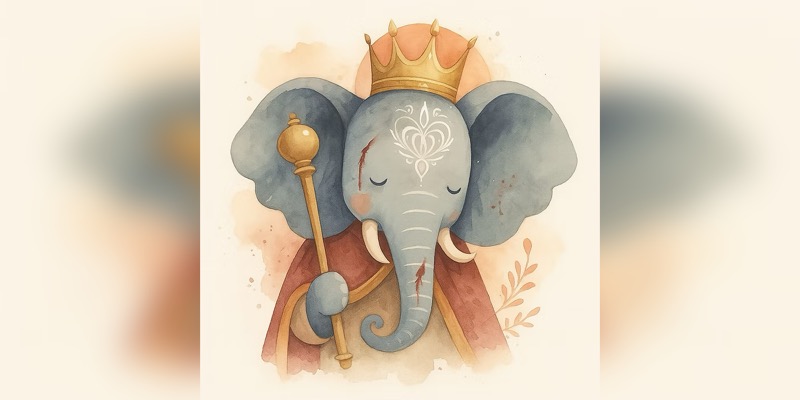
We are living in a time where gender, identity, and power are being re-examined in both culture and therapy. And in this reflection, I recently revisited Masculine Psychology by Robert A. Johnson — a short, symbol-rich book written in the 1980s that still echoes powerfully today.
At the heart of this book is a myth. A wound. And a question.
The Wounded King and the Missed Question
In the Grail legend, a young knight named Parsifal enters a mystical castle. There, he encounters a wounded king whose suffering has caused his entire kingdom to fall into desolation. Parsifal sees the wound, witnesses the sorrow — but leaves without asking the one question that could restore the land (his internal emotional landscape):
"What ails thee?"
He fails — not from malice, but from innocence. He's still caught in performance, not presence. He hasn't yet learned how to be with another's pain without retreating or fixing.
Years of wandering and deepening later, Parsifal returns. This time, he asks. And that question begins the healing.
Masculinity Isn't About Gender — It's About Energy
Johnson's work uses this myth to explore what he calls "masculine psychology." The heart of it still speaks — especially in couples therapy.
Masculine and feminine aren't strictly male or female. They are energetic orientations within all of us.
- The masculine seeks direction, clarity, protection.
- The feminine invites feeling, expression, fluidity.
In relational work, we often see how energetic imbalances — especially when one partner is over-functioning, emotionally withdrawn, or fearful of vulnerability — can create deep disconnect. The issue isn't gender. It's how we've learned to cope.
When the Masculine Is Disconnected
The wound of the masculine often comes from messages like:
- "Don't feel too much."
- "Be strong. Be in control."
- "Do more. Be better."
This leads to a pattern of constantly performing rather than connecting. In couples therapy, this might sound like:
- "He never opens up."
- "They don't ask how I feel."
- "I feel alone, even when we're together."
But often, these aren't signs of unwillingness. They're signs of unpracticed tenderness — of someone who's never been shown how to stay present with pain, including their own.
From Wounding to Witnessing
Healing begins not with solutions, but with presence. It begins with that quiet, curious question:
"What ails thee?"
The mature masculine isn't about control. It's about devotion. Witnessing. Choosing to stay.
Whether you identify with masculine energy or are in relationship with someone who does — this work matters. In 2025, masculinity doesn't need to be redefined as much as it needs to be reconnected to the heart.
Want to Explore This Further?
- Read Masculine Psychology by Robert A. Johnson
- Book a session to explore your relationship with someone who is walking this path
This is the inner work of love. Start with presence. Start with care.